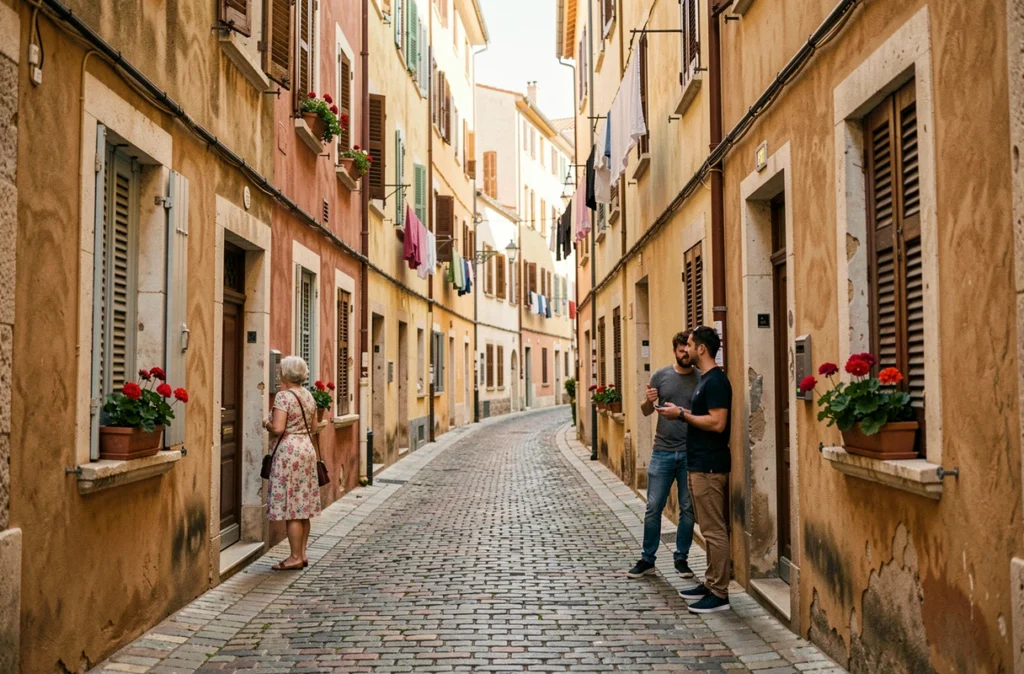
The Panier concentrates a rarely detailed tension over a few hectares: a gentrified neighborhood, saturated with visitors in season, where organized crime directly targets businesses. Addressing security in the Panier requires going beyond Tripadvisor reviews and heritage narratives to examine what is actually happening there, particularly since the documented extortion incidents in recent months.
Extortion and Arson Attempts: What Recent Events Reveal in the Panier
The Panier is often presented as a place for strolling or a historical heritage site. However, the question of danger has changed in nature.
In the summer of 2026, several restaurants in the neighborhood were targeted by extortion attempts involving violent methods. France Télévisions detailed a specific modus operandi: the sudden intrusion of two masked men into a restaurant, gasoline spread inside, and a confrontation with the manager. A suspect was apprehended thanks to the city’s surveillance cameras. An investigation for attempted homicide and arson was opened, and several suspects remained at large.
The case was assigned to the organized and specialized crime division, which means that authorities link these events to organized crime and drug trafficking, not to mere neighborhood incivilities. According to police unions, some establishments have been demanded considerable sums. For those questioning the danger of the Panier neighborhood in Marseille, these elements represent a qualitative shift from the petty street crime usually mentioned.
Overtourism and Insecurity in the Panier: Two Interconnected Phenomena
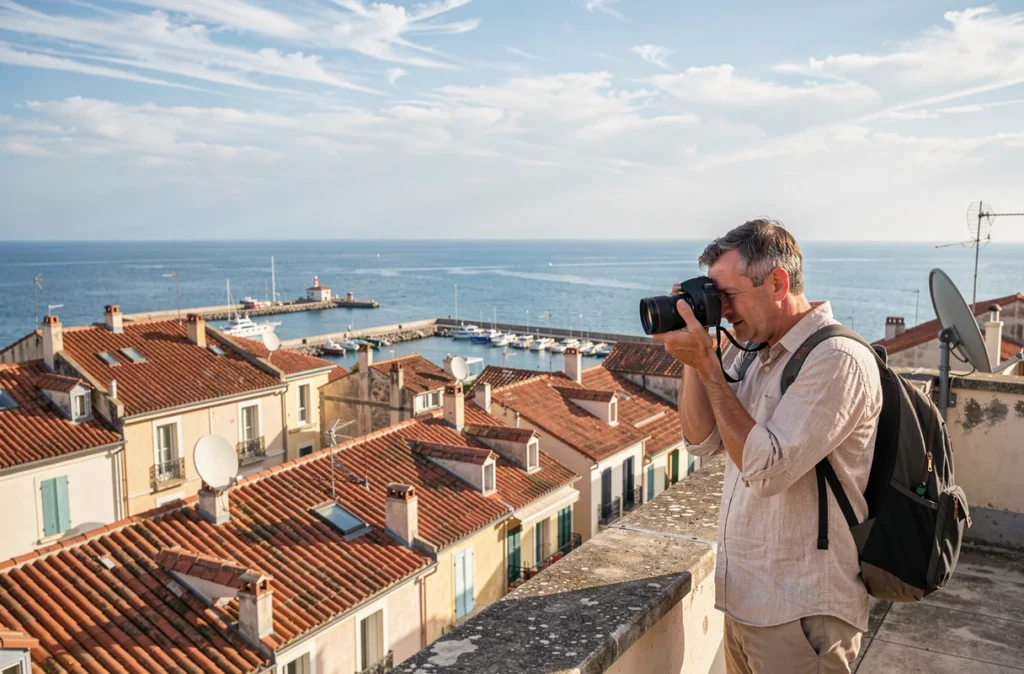
The Panier is experiencing massive tourist traffic, amplified by cruise ship stops. A geographer interviewed by France 3 Provence-Alpes-Côte d’Azur speaks of a “spectacular acceleration of attendance” in Marseille, with a phase of irritation already underway among residents.
This overtourism creates a paradoxical effect on security. In high season, the alleyways are crowded, natural surveillance is effective, and visitors perceive the neighborhood as safe. Off-season, businesses close, streets empty, and the neighborhood shifts to a radically different atmosphere. A member of the neighborhood interest committee summarizes the situation: “Most small businesses have disappeared, replaced by snack bars or tourist traps.”
The Panier is not dangerous in the same way depending on the season. In winter, the lack of pedestrian flow and the closure of three-quarters of businesses create pockets of isolation conducive to incivilities. In summer, the risk shifts to pickpocketing and tensions related to overcrowding.
Surveillance and Police Presence in the 2nd Arrondissement
Surveillance cameras have played a concrete role in the arrests related to arson attempts. Marseille has a network of cameras covering the Old Port and the Panier area. However, we recommend not to confuse video coverage with human presence on the ground: patrols remain focused on main thoroughfares, and the narrow and steep topography of the Panier’s inner alleyways limits the responsiveness of interventions.
Historical Reputation of the Panier and Contemporary Reality
The Panier’s reputation as a dangerous area dates back several decades. The neighborhood has long concentrated a precarious population, an informal economy, and a nightlife that authorities struggled to regulate. The destruction of part of the neighborhood during World War II, ordered by the occupiers, explicitly targeted what the Nazis considered a hub of resistance and marginality.
The gentrification that began in the 2000s has profoundly altered the social fabric. Short-term tourist rentals have replaced part of the residential rental stock. The town hall of the 1st and 7th sectors has even implemented a regulation of tourist rentals to try to contain the phenomenon.
What to remember: the danger of the Panier is no longer a mere urban myth or simple perception. It has mutated. The risk for an average visitor remains low during the day and in season. The risk for a merchant established in the neighborhood is of a different nature, linked to documented criminal pressures.
Concrete Safety Tips for the Panier Neighborhood in Marseille
We distinguish three profiles of exposure to risk, each with specific precautions:
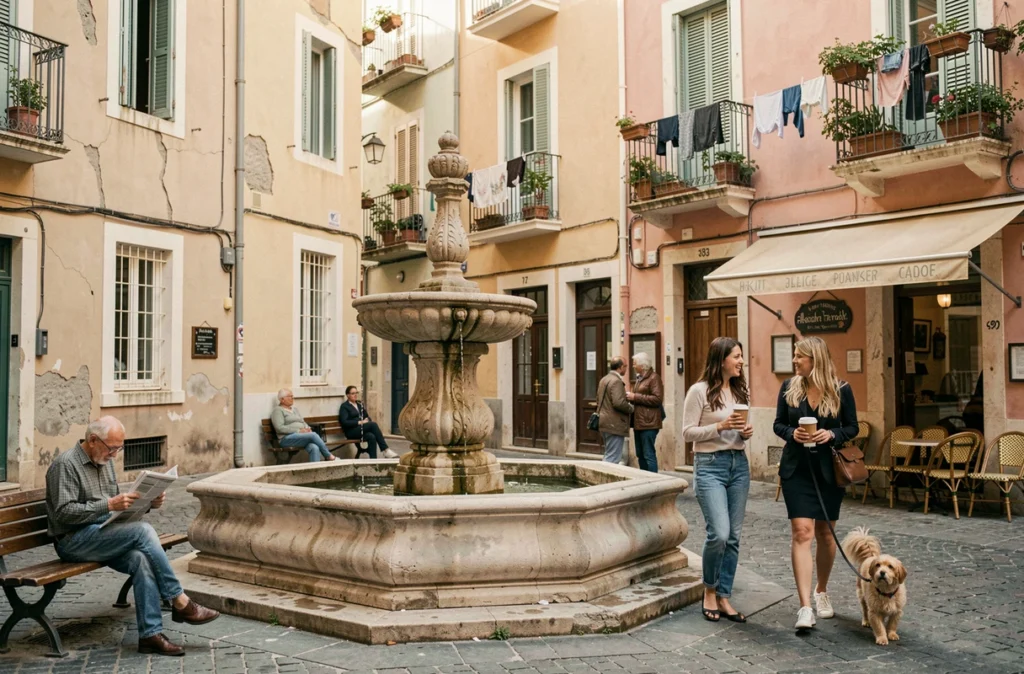
- Daytime visitors (April to October): the neighborhood is generally safe, and the density of foot traffic ensures natural surveillance. Classic vigilance against pickpocketing, especially in Place de Lenche and around La Vieille Charité.
- Evening visitors or off-season: secondary alleyways quickly empty after businesses close. Prefer well-lit thoroughfares (Rue du Panier, Rue Caisserie) and avoid secluded dead ends.
- Residents and merchants: the pressure of extortion constitutes a real and documented risk. Prompt reporting to authorities and coordination with the neighborhood interest committee remain the available levers for action.
At night, the Panier does not offer the same level of security as the areas around the Old Port, where nighttime activity (restaurants, bars) maintains a continuous flow. The relative isolation of the inner alleyways after 10 PM remains the main risk factor for pedestrians.
The Panier is neither the no-go zone that some alarmist reviews describe, nor a neighborhood where one can stroll without caution at any hour. It is an area where organized crime has recently targeted businesses in a focused manner, where overtourism weakens the social fabric, and where security varies greatly depending on the time, season, and visitor profile. The available data points to a situation that deserves a more nuanced reading than the simple binary of “dangerous or not.”