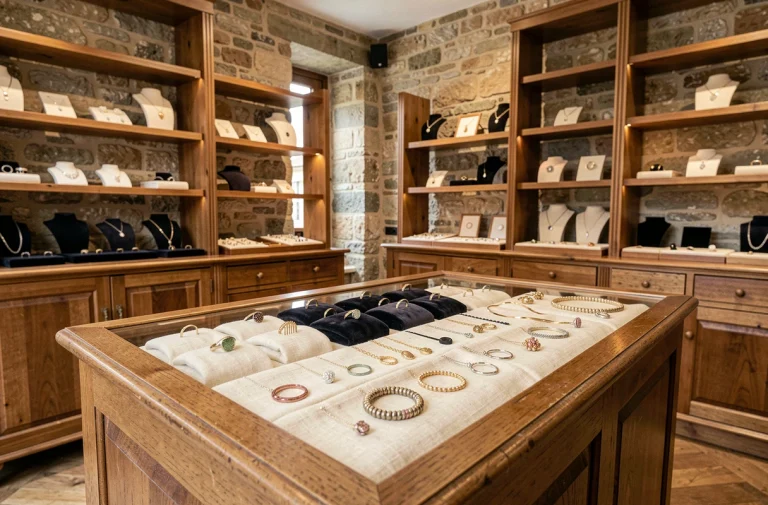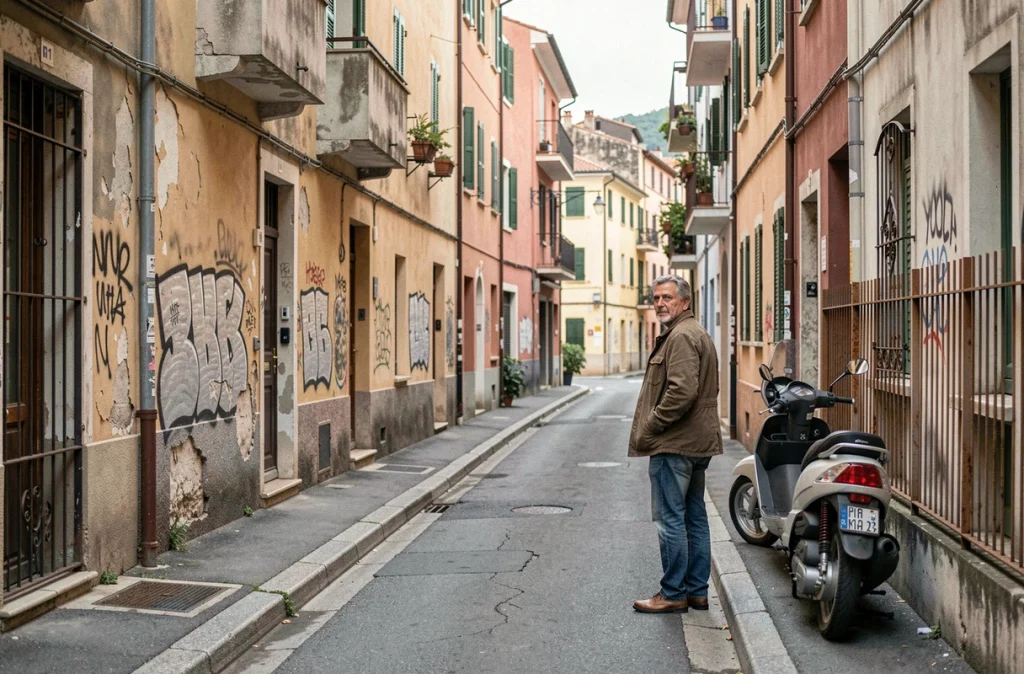
Nice displays a crime rate classified as “very high” by national criminal databases, but this overall figure masks considerable disparities from one neighborhood to another. The city’s priority geography was officially redrawn on January 1, 2024, with a new list of priority neighborhoods for urban policy (QPV) that modifies the boundaries and names previously used by most real estate and tourist guides.
QPV Redistricting 2024: Boundaries No Longer Reflected in Old Guides
The revision of QPVs on January 1, 2024, for the Alpes-Maritimes has integrated specific Nice sectors under precise names: Ariane – Le Manoir – Gares, Las Planas – Le Rouret, Les Moulins – Le Point du Jour, Les Sagnes and Paillon, as well as a “Centre (Nice)” sector. These boundaries directly condition the enhanced resources of the State in terms of policing, prevention, and urban renewal.
We observe that most competing articles continue to rely on previous zoning, sometimes dating back several years. An investor or tenant relying on an outdated map risks underestimating a recently reclassified area or, conversely, overestimating a risk in an area that has been removed from the system. Checking the 2024 QPV list on the National Agency for Territorial Cohesion’s sheets remains the most reliable reflex before making any decision.
As detailed by the Monde Immobilier website about Nice, cross-referencing QPV rankings and recorded crime data allows for surpassing inherited reputations and mapping real risks by micro-sector.

Les Moulins: A Neighborhood of Republican Reconquest and Active Drug Trafficking
The Les Moulins neighborhood has a dual classification: QPV and Republican Reconquest Neighborhood (QRR). This QRR status reflects a State decision to deploy additional police forces there and a specific strategy to regain control of public space.
Since the summer of 2024, violence related to drug trafficking has crossed a threshold. An arson linked to settling scores between networks resulted in the deaths of seven people. Several suspects have been charged, including a man suspected of having commissioned the armed commando. This type of event far exceeds the usual statistical indicators (thefts, vandalism) and signals a level of danger that falls under armed conflict between gangs.
For a resident or investor, the QRR classification means increased police presence but also a risk of unpredictable violence. Property prices remain low there, but the depreciation reflects a real and documented risk, not just a simple image of a popular neighborhood.
Ariane and Las Planas: Two Distinct Risk Profiles Not to Be Confused
Ariane (integrated into the new boundary “Ariane – Le Manoir – Gares”) and Las Planas (“Las Planas – Le Rouret”) both appear on the 2024 QPV list, but their issues differ.
- Ariane concentrates incidents related to drug trafficking and settling scores. Recent seizures (cannabis, cash) and arrests, including of minors, testify to structured and active networks. The tension is mainly nocturnal, on secondary roads far from the main arteries.
- Las Planas presents a profile more marked by social precariousness and geographical isolation. Limited public transport accessibility exacerbates the neighborhood’s isolation. Incidents of delinquency are more related to vandalism and burglaries than to organized drug trafficking.
- Les Sagnes, less publicized, remains a QPV sector where social difficulties translate into neighborhood tensions and deterioration of buildings. The risk is less spectacular but directly affects daily quality of life.
We recommend not treating these neighborhoods as a homogeneous block. A move of just a few streets can radically change the level of risk, particularly between the heart of a QPV and its residential fringe.
Crime Statistics in Nice: What Averages Hide
The recorded crime data for Nice show contrasting trends depending on the types of incidents. Non-violent thefts against individuals remain the largest category but show a marked decline during the period from 2016 to 2025. In contrast, drug trafficking has more than doubled during the same period, and sexual violence has seen a very significant increase.
The use of drugs has also risen sharply. These developments reflect both a ground reality and an effect of intensified police operations (more controls generate more recorded incidents). Reading the figures without this methodological filter leads to biased conclusions.
- Burglaries of residences are down, which nuances the image of generalized insecurity for equipped residents.
- Violent thefts with weapons remain rare on a city-wide scale.
- Destruction and voluntary degradation are declining, a sign of improvement in certain renovated sectors.
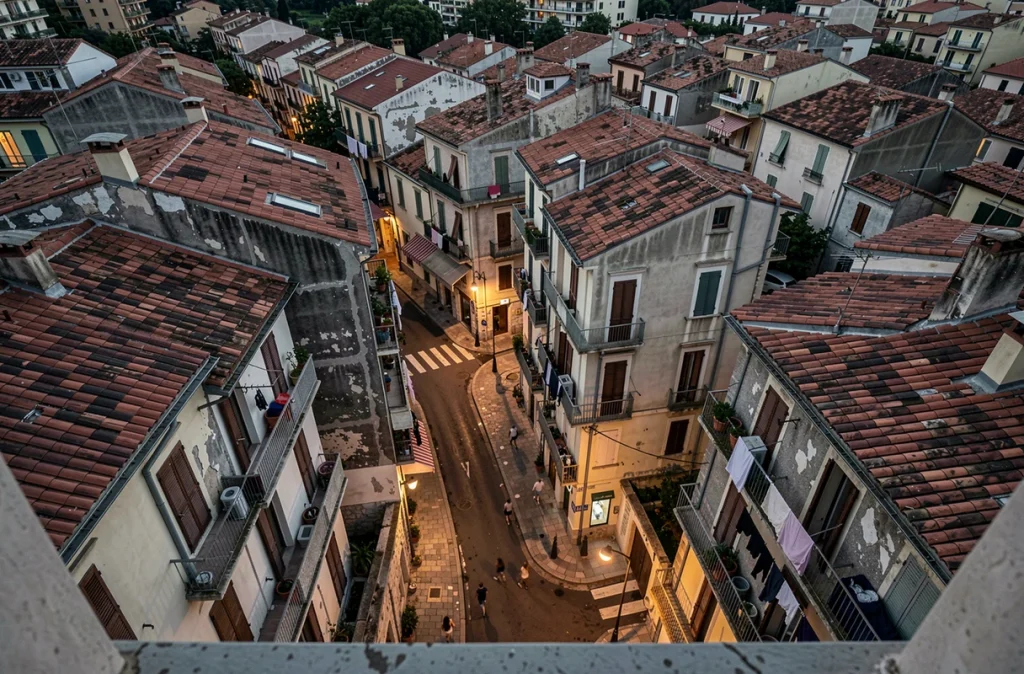
The Gap Between Feelings of Insecurity and Recorded Statistics
Research in criminology reminds us that the feeling of insecurity does not mechanically correlate with recorded crime statistics. A neighborhood can show declining numbers while being perceived as dangerous because of building degradation, insufficient lighting, or the visible presence of dealing, which fuels a negative perception.
In Nice, this gap is particularly clear in the Centre sector, now included in the 2024 QPVs. High tourist traffic generates pickpocketing and scams, but physical violence remains proportionally less frequent than in the northern neighborhoods. The risk in the city center is mainly patrimonial, not physical.
Concrete Criteria for Evaluating a Nice Neighborhood Before Committing
Rather than relying on a fixed list of “neighborhoods to avoid,” we recommend cross-referencing three sources before making any decision to settle or invest:
Check if the neighborhood is on the 2024 QPV or QRR list on the National Agency for Territorial Cohesion’s website. Consult the recorded crime data by municipality and by type of incident, observing multi-year trends rather than the raw figures of a single year. Visit the area at different times, especially in the evening, to assess lighting, foot traffic, and the condition of the buildings.
A neighborhood classified as a QPV is not automatically unlivable. Some benefit from urban renewal programs that transform their environment within a few years. Conversely, a non-classified neighborhood may present nuisances (night noise, illegal parking) that official statistics do not capture.